


lipotropicinjectionslogomain
Home    |    What Are Lipotropic Injections    |    Results    |    Cost

Are Lipotropic Injections Safe

Are lipotropic injections safe? It is one of the most important questions anyone should ask before starting a provider-guided treatment program — and the honest answer is that for most healthy adults who go through a proper telehealth consultation process, lipotropic injections are considered safe when administered as prescribed by a licensed provider. The compounds used in lipotropic injections — methionine, inositol, choline, and vitamin B12 — are naturally occurring nutrients that the body already uses in normal metabolic processes. When compounded by a licensed pharmacy and administered intramuscularly under provider oversight, the safety profile of lipotropic injections is generally well tolerated by most program participants. That said, are lipotropic injections safe for everyone? Not necessarily — which is exactly why telehealth programs require a medical consultation and health history review before any prescription is issued. Are lipotropic injections safe when sourced outside of a licensed telehealth program? That is a very different question — and the answer is far less certain, which is why provider oversight is non-negotiable. This page covers what the safety profile of lipotropic injections actually looks like, what side effects are commonly reported, who should exercise caution, and how a proper telehealth program structure protects patient safety from day one. To understand what is inside these formulas and why the ingredients are considered safe for most adults, visit the lipotropic injection ingredients page, and for a look at what side effects people commonly report, visit the lipotropic injection side effects page.

Lipotropic Injection Programs Online

Those researching whether lipotropic injections are safe will find that telehealth programs are designed with patient safety at the center of every step. A licensed provider reviews your full medical history during a short online consultation before any prescription is issued — ensuring the program is appropriate for your individual health profile before treatment begins. Medication is compounded by a licensed pharmacy and shipped directly to your door with full provider-approved dosing instructions included.

What Makes Lipotropic Injections Safe for Most Adults?

  • Naturally Occurring Compounds: The core ingredients in lipotropic injections — methionine, inositol, choline, and vitamin B12 — are nutrients the body already produces or obtains through food, making them generally well tolerated by most healthy adults when administered at therapeutic doses
  • Licensed Provider Oversight: Are lipotropic injections safe without medical supervision? No — and that is exactly why legitimate telehealth programs require a licensed provider to review your health history and issue a prescription before treatment begins, ensuring the program is appropriate for your individual profile
  • Compounded by Licensed Pharmacies: Every lipotropic injection kit dispensed through a telehealth program is compounded by a licensed pharmacy under strict quality standards — meaning the formulation, concentration, and sterility of the medication are verified before it ever reaches your door
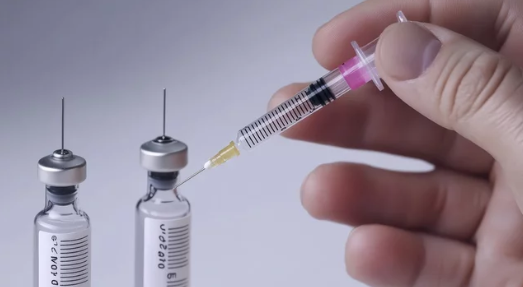
are lipotropic injections safe showing natural ingredients provider oversight and licensed pharmacy compounding
Understanding what makes lipotropic injections safe for most adults comes down to three things — what is in the formula, who is overseeing the treatment, and how the medication is prepared. When all three elements are in place through a legitimate telehealth program, the safety profile of lipotropic injections is generally well established for healthy adults without contraindicated conditions. Are lipotropic injections safe when all three of those elements are present? For most healthy adults, yes — and that is the standard every legitimate telehealth program is built around. The risk profile changes significantly when people attempt to source these compounds outside of a licensed provider-guided program — which is why the telehealth consultation process exists and why it matters. For a full breakdown of the ingredients and their individual safety profiles, visit the lipotropic injection ingredients page.

What Side Effects Are Commonly Reported With Lipotropic Injections?

  • Injection Site Reactions: The most commonly reported side effect across lipotropic injection programs is mild tenderness, redness, or swelling at the injection site — typically temporary and resolving within a day or two of administration
  • Mild Digestive Changes: Some people report brief nausea or mild digestive discomfort during the early weeks of treatment as the body adjusts to the formulation — these reactions are generally mild and tend to diminish as the program progresses
  • Temporary Energy Fluctuations: A small number of program participants report brief energy fluctuations or mild headaches during the first week or two of treatment — typically attributed to the body adjusting to the metabolic changes the compounds initiate
common side effects of lipotropic injections including injection site reactions digestive changes and energy fluctuations
The side effects most commonly reported by lipotropic injection program participants are mild, temporary, and typically resolve on their own within the first week or two of treatment. Serious adverse reactions are rarely reported in people who go through a proper telehealth consultation process and follow their provider-guided protocol as prescribed. The most important thing to understand about lipotropic injection side effects is that they are most likely to occur when the program is not properly supervised — which is precisely why licensed provider oversight is a non-negotiable part of any legitimate telehealth lipotropic injection program. For a complete breakdown of what side effects look like across different program participants, visit the lipotropic injection side effects page.

Who Should Exercise Caution With Lipotropic Injections?

  • Pregnant or Breastfeeding Women: Are lipotropic injections safe during pregnancy or while breastfeeding? Most licensed providers do not prescribe lipotropic injection programs to pregnant or breastfeeding women — the safety profile in these populations has not been sufficiently established to support routine use
  • People With Existing Medical Conditions: Individuals with liver disease, kidney conditions, or certain metabolic disorders should discuss lipotropic injections with their provider before starting a program — the compounds in the formula directly interact with liver and metabolic function
  • People With Known Sulfa Allergies: Some lipotropic injection formulations contain sulfa-based compounds — people with known sulfa allergies should inform their provider during the consultation process so the formulation can be adjusted or an alternative program identified
who should use caution with lipotropic injections including pregnant women existing conditions and sulfa allergies
Are lipotropic injections safe for everyone? The honest answer is no — and that is not unique to lipotropic injections. Most prescription treatments have populations who should exercise caution or avoid use entirely, and lipotropic injections are no different. The telehealth consultation process is specifically designed to identify these situations before treatment begins — screening for contraindicated conditions, allergies, and medications that may interact with the formulation. If you fall into any of the caution categories above, that does not automatically disqualify you from a program, but it does make the provider consultation an essential first step rather than a formality. For a full look at what the treatment is designed to do and how it is structured, visit the do lipotropic injections work page.

Are Lipotropic Injections Worth It?

  • Strong Safety Profile for Healthy Adults: For people who go through a proper telehealth consultation and follow a provider-guided protocol, lipotropic injections have a well-established safety profile — making them a low-risk metabolic support option compared to more invasive weight management interventions
  • Results That Build Over Time: Are lipotropic injections worth it for people who want quick overnight results? No. But for people willing to commit to a four to twelve week provider-guided program paired with intentional lifestyle habits, the gradual and consistent progress most participants report makes the investment worthwhile
  • Accessible and Convenient: The telehealth model makes lipotropic injections worth considering for people who want structured medical support without the inconvenience and cost of repeated in-person clinic visits — everything is handled online and delivered to your door
are lipotropic injections worth it showing safety profile results timeline and telehealth convenience
Are lipotropic injections worth it? For most people who approach the program correctly — through a licensed telehealth provider, with a consistent dosing schedule, and paired with intentional diet and activity habits — the answer is yes. The combination of a strong safety profile, a targeted metabolic support formulation, and the accessibility of the telehealth delivery model makes lipotropic injection programs one of the more practical and well-structured weight management options available today. Are lipotropic injections safe enough to commit to long term? For healthy adults following a provider-guided protocol, the answer is consistently yes — and that safety foundation is a big part of what makes these programs worth the investment. For firsthand accounts of whether real program participants found their experience worth it, visit the lipotropic injections reviews page.

Frequently Asked Questions
About Lipotropic Injection Safety

For most healthy adults who complete a proper telehealth medical consultation and follow a provider-guided protocol, lipotropic injections are generally considered safe. The core ingredients — methionine, inositol, choline, and vitamin B12 — are naturally occurring compounds that the body already uses in normal metabolic processes.

Lipotropic injections are not considered dangerous when prescribed and administered correctly under licensed provider oversight. The risk profile increases significantly when people attempt to source or use these compounds outside of a supervised telehealth program without proper medical screening.

Most licensed providers do not prescribe lipotropic injection programs to pregnant or breastfeeding women. If you are pregnant, breastfeeding, or planning to become pregnant, discuss your options with a licensed medical provider before starting any injection program.

Some lipotropic injection formulations contain sulfa-based compounds. If you have a known sulfa allergy, it is essential to disclose this during your telehealth consultation so your provider can adjust the formulation or identify a suitable alternative program.

Yes — for people who follow a complete provider-guided program and pair their injections with a calorie-conscious diet and consistent activity, lipotropic injections are both safe and effective as a metabolic support tool for weight management and energy production.


Find more details about Lipotropic Injections.

🔒 Valid prescription for Lipotropic injections from a licensed provider required.